
Advanced Batching Systems Guarantee High-Specification Highway ROI
High-specification highway projects demand strict adherence to stringent mix formulas, making the initial asphalt batch plant investment highly justifiable. While a continuous drum plant offers lower upfront expenses, it lacks the advanced screening and precise weighing systems required for premium infrastructure. Investing in a premium asphalt batch plant directly mitigates material waste and prevents costly non-compliance penalties from regulatory bodies. Ultimately, the long-term operational savings and superior mix quality successfully offset the higher initial asphalt plant cost for financial directors looking to maximize project profitability.
Precision Batching Eliminates Mix Segregation and Material Waste
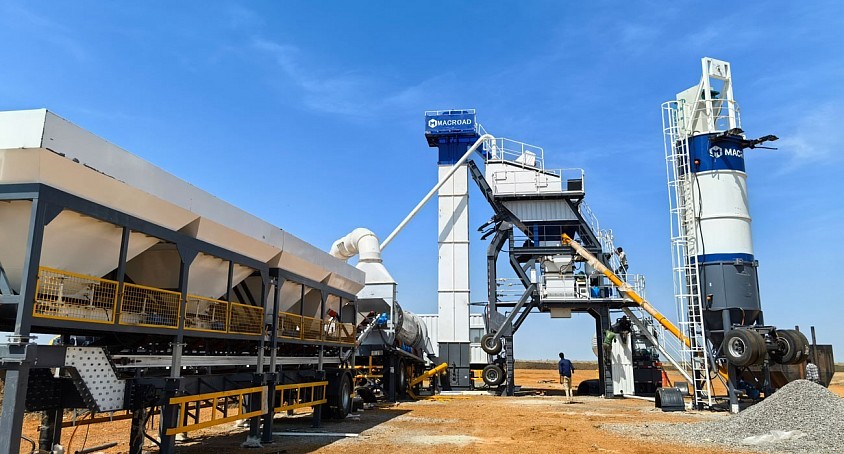
Achieving the exacting standards of modern highway infrastructure requires absolute control over aggregate distribution. A premium asphalt batch plant utilizes multi-deck vibrating screens to separate aggregates into precise size fractions after drying. Consequently, this process eliminates the frequent mix segregation issues inherent in continuous drum plants, where aggregate sizes are estimated prior to heating. In light of this, engineering teams can guarantee that the final pavement profile maintains structural integrity under heavy traffic loads.
From a logistics perspective, minimizing material waste at the production site is paramount for maintaining healthy project margins. The advanced screening technology in an asphalt batch plant ensures that oversized or undersized particles are rejected before entering the mixing chamber. Conversely, continuous plants often incorporate these inconsistencies directly into the mix, leading to rejected truckloads at the paving site. Avoiding these logistical failures justifies a significant portion of the initial asphalt plant cost by protecting expensive bitumen and aggregate inventories.
Specifically, the financial impact of volumetric consistency becomes evident during long-distance hauling scenarios. When the asphalt mix leaves the plant with uniform temperature and aggregate distribution, thermal segregation during transit is drastically reduced. This stability extends the allowable transportation radius from the production site to the paving location without sacrificing workability. Therefore, the specialized screening mechanisms within the plant safeguard the material quality from the moment of discharge to final compaction.
Accurate Weighing Dynamic Maximizes Legal Mix Formula Compliance
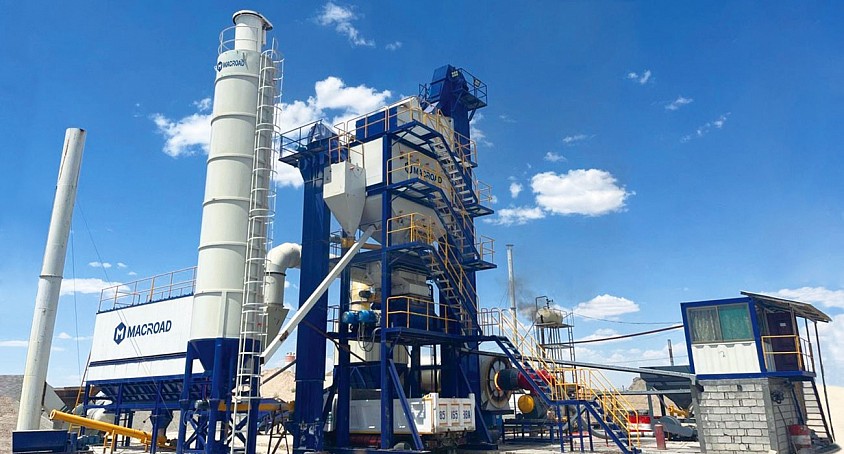
Strict governmental regulations dictate precise bitumen-to-aggregate ratios, leaving zero margin for operational error. A high-specification asphalt batch plant addresses this challenge through independent, load-cell-backed weighing hoppers for aggregates, filler, and liquid bitumen. This digital precision allows operators to adjust the recipe instantly for each individual batch, ensuring absolute compliance with local transport authority specifications. Such granular control is technically impossible in drum mixing systems, which rely on continuous belt scales susceptible to moisture fluctuations.
Failure to meet these strict mix formulas results in severe financial penalties, including mandatory pavement removal and replacement. By utilizing a dedicated asphalt batch plant, contractors establish an unassailable digital audit trail of every single kilogram of material used. Consequently, asset managers can confidently defend their quality assurance data during state inspections, avoiding catastrophic project delays. The peace of mind provided by this bulletproof compliance capability easily counterbalances the premium asphalt plant cost observed during procurement.
Furthermore, precise weighing dynamics directly influence the long-term aging characteristics of the laid asphalt pavement. Exact bitumen metering prevents the twin failures of flushing, caused by excess binder, and ravelling, caused by binder deficiency. Specifically, optimal binder coating ensures that the asphalt matrix resists moisture infiltration and rutting under extreme environmental conditions. Investing in superior weighing infrastructure protects the contractor from premature warranty claims and enhances corporate reputation in the competitive infrastructure market.
Total Cost of Ownership Justifies Premium Plant Expenditures
Evaluating the financial viability of asphalt production infrastructure requires looking past the initial acquisition price tag. A premium asphalt batch plant delivers superior thermal efficiency and optimized burner management, directly translating into reduced fuel consumption per ton. These energy savings, combined with minimal component wear due to robust manufacturing standards, lower the overall operational expenditure. Over the life cycle of a major highway contract, these efficiency gains systematically erode the initial asphalt plant cost differential.
Maintenance predictability represents another critical vector where the batching methodology outperforms continuous alternatives. Because an asphalt batch plant operates in distinct cycles, routine inspections and component replacements can be scheduled during natural production pauses. This operational flexibility minimizes unscheduled downtime, which can derail tight highway completion schedules and trigger heavy liquidated damages. In light of this, the structural reliability of a premium plant ensures continuous revenue generation and stable cash flow projections.
Ultimately, the residual value of a well-maintained batching facility remains substantially higher than that of a continuous drum system. Infrastructure markets consistently value the versatile production capabilities of an asphalt batch plant, allowing owners to recoup asset value upon project completion. When factoring in reduced waste, zero non-compliance fines, and superior equipment longevity, the financial decision becomes clear. The sophisticated engineering of a premium plant represents a strategic asset that secures long-term profitability for demanding highway investments.
Engineering Precision Drives Infrastructure Profitability
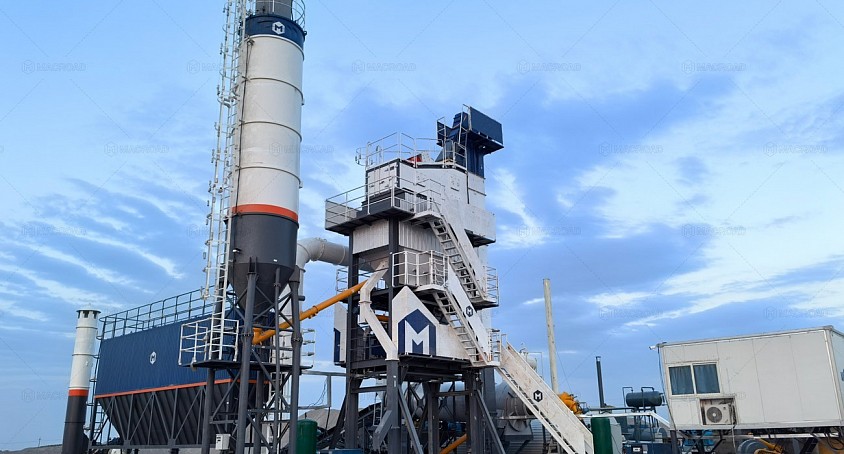
Choosing between competing asphalt production technologies requires balancing immediate capital expenditure against multi-year operational realities. While the higher initial asphalt plant cost of a premium asphalt batch plant might seem daunting, its advanced screening and precise weighing systems provide measurable financial protection. By eliminating material segregation, ensuring strict formula compliance, and lowering total cost of ownership, this technology guarantees project success. Investing in a high-specification asphalt batch plant is a proven method for financial directors to mitigate risk and secure superior returns on critical highway infrastructure.